When a customer receives a clothing order, the packaging is the first physical interaction they have with your brand. Before they feel how fine the fabric is, check the fit, or judge the quality of the garment, they experience the parcel.
If you run a fashion business, you may know how important these moments are for your brand to create a worthy image. When your clothes packaging is well-designed, it will tell your customers that you have paid attention to each detail that counts. On the other hand, if you take it casually and use poor packaging, then it does not matter how high-quality your garment is; it feels disappointing.
A crushed box, oversized parcel, damaged mailer, or unnecessary plastic all create a negative picture of your brand. That is why it is suggested to focus on apparel boxes, as they have become more than a simple shipping requirement.
However, choosing the right apparel packaging is not always simple. The packaging that presents your jeans may not be able to present hoodies in the best way. The best solution depends on your garment type, sales channel, customer expectations, and budget. This guide explains how fashion brands can choose packaging that protects products, controls costs, supports sustainability goals, and creates a better customer experience.
Why Apparel Packaging Matters More Than Ever for Fashion Brands
For years, the main purpose of packaging was simply to get the clothes from the warehouse and deliver them to the customers. The shift and growth towards e-commerce has changed this approach.
When customers shop in a physical store, they experience the environment around the product. They see the display, touch the material, and interact with staff. Online shoppers do not have that experience, so packaging becomes part of the brand presentation.
A customer who orders a premium coat online expects that the delivery experience matches the value of what they have purchased. At the same time, packaging is equally or sometimes more important for businesses as it affects shipping costs, warehouse efficiency, storage requirements, and return handling.
For example, a fashion retailer benefits if they invest in compact boxes wholesale, as it reduces parcel weight, storage space, and is cost-effective.
Most brands fall into the trap of thinking the cheapest packaging options are the most economical ones. A weak package that results in damaged goods, customer complaints, or returns can quickly become more expensive than investing in better packaging from the beginning.
Understanding the Different Layers of Apparel Packaging
Apparel packaging is not just an outer bag or box used for delivery purposes. A complete packaging system mostly includes different layers with a meaningful role.
The first layer protects the garment itself. For these brands, protective sleeves, garment bags, or folding inserts. This layer is a must for clothing that can crease easily or lose its shape.
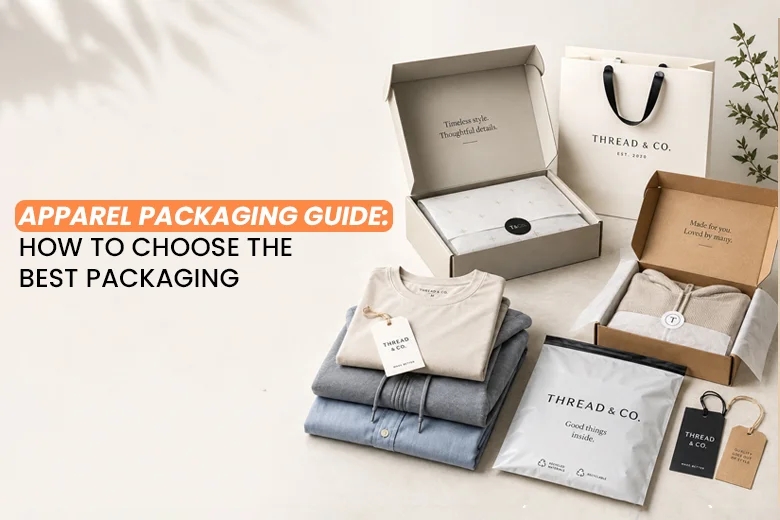
The second layer focuses on presentation. This is where brands can add elements such as printed tissue, branded stickers, cards, or custom packaging designs.
The final layer is the shipping packaging that protects the order during transportation. A common mistake that growing brands make is focusing just on the outside appearance. Packaging should always start with the garments.
The best packaging is the one that fulfills the needs of the garments.
Choosing the Right Packaging for Different Types of Clothing
Every garment has different packaging challenges. Fabric type, size, weight, value, and customer expectations all impact the selection of the right solution.
Understand this: A basic cotton T-shirt does not require the same protection as a luxury wool coat. A pair of leggings can usually travel safely in lightweight packaging, whereas a formal dress needs more careful handling. With 6 years of experience in apparel packaging, let us help you understand what could be the right choices for your different garment types.
Everyday Clothing and Casual Wear
Everyday products such as T-shirts, hoodies, leggings, socks, and basic fashion items do not need heavy boxes. Lightweight packaging is usually the most practical option.
Mailing bags are popular among ecommerce clothing brands because they are lightweight, flexible, moisture-resistant, and easy to handle during fulfillment. They are especially useful for businesses shipping large volumes of soft garments where keeping delivery costs under control is important.
But the quality of the mailer matters. A poorly made bag that tears during delivery can create a negative customer experience. Packaging should always be strong enough to survive courier handling.
Hoodies, Sweatshirts, and Bulky Garments
Large garments need more consideration because of their volume. A hoodie itself is not a fragile item, but it takes up much more space than a folded T-shirt. Using oversized packaging increases shipping costs without providing additional protection.
For these products, brands mostly choose large mailers or exact-sized boxes depending on their positioning. A value-focused clothing retailer prioritises efficiency with a strong recyclable mailer, whereas a premium sweatshirt brand may choose a branded box because the customer experience justifies the additional cost.
The key is to avoid unnecessary packaging and make sure the garments arrive neatly presented.
Luxury Clothing and Formalwear
Premium garments need a more thoughtful presentation than other apparel. Items such as suits, designer dresses, jackets, and formal wear have higher customer expectations. The customer is not only purchasing fabric and construction. They are purchasing fine quality and presentation.
These products need garment bags, protective wrapping, and structured packaging to prevent wrinkles, crushing, or damage. For luxury brands, packaging becomes an extension of the product itself. A carefully designed box with quality finishing strengthens the value of garments before the customer even wears it.
Poly Mailer vs Box: Which Is Better for Clothing?

One thing that mostly confuses apparel businesses is whether they should use poly mailers or boxes. This depends on your product and the customer experience you want to create.
Poly mailers are mostly the preferred choice for soft clothing because they are lightweight and efficient. They reduce storage requirements and usually cost less than rigid packaging. This makes them suitable for everyday ecommerce orders such as T-shirts, activewear, and casual clothing.
Boxes provide stronger protection and a more premium unboxing experience. They are better suited for garments that need structure, have a higher retail value, or need additional presentation.
It all depends on the product. Take socks, for example, shipped nationwide. Since socks are lightweight and not easily damaged, poly mailers can be a practical choice. Whereas, if socks are part of gift sets or luxury collections, sock packaging boxes create a more memorable unboxing experience.
No option is best universally. The correct choice depends on the garments, business model, and customer expectations.
Apparel Packaging for Ecommerce, Retail, and Wholesale
The sales channel plays a major role in packaging decisions.
Ecommerce Clothing Brands
Online fashion businesses need packaging that performs well across some areas:
- Protecting products during courier delivery
- Controlling shipping costs
- Creating a positive unboxing experience
- Supporting returns
Returns are particularly important for fashion brands because customers may return or exchange items due to sizing or style preferences. If your packaging can be reused for returns, it can improve convenience and reduce waste.
Many successful ecommerce brands start with simple packaging and gradually add branding elements as they grow. Rather than immediately investing in expensive custom boxes, businesses create a stronger experience with smaller improvements such as branded inserts, stickers, or better presentation.
Retail Clothing Packaging
Retail packaging has different priorities from ecommerce. Products displayed in stores need packaging that supports presentation, handling, and inventory management. Retail businesses need:
- Protective sleeves
- Folding cartons
- Garment covers
- Branded packaging materials
The goal is not only protecting the product but also supporting the way customers interact with it in the store.
Wholesale and Manufacturing Packaging
Wholesale buyers usually focus more heavily on efficiency. Large clothing shipments need packaging that protects products during transport while keeping storage and handling practical.
For manufacturers, packaging decisions are mostly influenced by:
- Shipping size
- Warehouse requirements
- Retailer specifications
- Transport conditions
The packaging used for wholesale distribution is usually very different from packaging used for direct-to-consumer orders.
Sustainable Apparel Packaging: What UK Brands Should Consider
Sustainability has become a major factor in packaging decisions across the UK fashion industry. But choosing sustainable packaging is not just about replacing one material with another. A good sustainable packaging strategy considers the complete lifecycle of the packaging:
- How much material is used
- Whether it can be recycled
- How customers dispose of it
- Whether it protects the product effectively
Reducing unnecessary packaging is one of the most effective steps. A smaller package that uses fewer materials and reduces transport impact can create meaningful improvements.
UK businesses also need to be aware of packaging responsibilities and reporting requirements under Extended Producer Responsibility (EPR) rules. Businesses that supply packaging or packaged products may have obligations around reporting, recycling responsibilities, and compliance.
Sustainable packaging should also be communicated clearly. Customers appreciate transparency more than unclear environmental claims.
Common Apparel Packaging Mistakes Brands Should Avoid
Many packaging problems arise because decisions are made in less time. One common mistake is choosing packaging based only on unit price. A cheaper package may create higher costs if it causes damage or increases returns.
Another mistake is ignoring the customer experience. Packaging does not need to be expensive, but it should feel intentional. A custom mailer box feels professional when the garment inside is neatly folded, protected, and presented properly.
Moreover, brands mostly overlook packaging size. Oversized boxes increase material usage and can increase delivery costs. The best approach is to regularly review packaging performance. Customer complaints, return reasons, and shipping issues can reveal whether the packaging system needs improvement.
How to Choose the Right Apparel Packaging Supplier
Selecting a packaging supplier is about more than finding someone offering the lowest price. As a reliable packaging supplier, we should understand your products, order volumes, branding requirements, and delivery expectations. Before placing large orders, businesses should check these factors:
- Material quality
- Minimum order quantities
- Production lead times
- Custom printing options
- Sustainability certifications
- Consistency between batches
A good supplier will help you choose the right packaging for your clothes rather than simply selling the most expensive option.
FAQS
1. What is the best packaging for sending clothes in the UK?
The best packaging depends on the garment’s size, weight, value and need for protection. Lightweight clothing such as T-shirts, leggings and casualwear can often be sent in appropriately sized mailing bags, while structured, bulky or premium garments may benefit from corrugated mailer boxes or other protective packaging. The aim is to use enough protection without adding unnecessary size or material.
2. How do I choose the right packaging size for clothing?
Measure the garment after it has been folded into its intended shipping format rather than choosing packaging from the garment’s labelled size. Allow enough room for protective tissue, inserts or other presentation elements, but avoid excessive empty space. Testing several sizes before placing a larger packaging order can help reduce wasted material and improve presentation.
3. Are mailing bags or boxes cheaper for clothing brands?
Mailing bags are generally lighter and require less storage space than boxes, which can make them economical for soft, lightweight garments. Boxes usually use more material but provide greater structure and more space for branding. The better-value option should be judged on the total cost of packaging, packing, storage, delivery and product damage rather than unit price alone.
4. What packaging is best for clothing returns?
For ecommerce brands with frequent returns, packaging that customers can open without destroying it and securely reseal can make the returns process easier. Depending on the format, this may include mailing bags with a second adhesive strip or boxes designed to be closed again. Return suitability should be considered when selecting packaging rather than added as an afterthought.
5. What packaging should luxury clothing brands use?
Luxury clothing packaging should reflect the garment’s protection and presentation requirements rather than relying on decoration alone. Depending on the product, brands may use structured boxes, tissue paper, garment covers, inserts and premium print finishes. Suits, formalwear and embellished garments may also need additional support to reduce movement, crushing or creasing during transit.
6. Is paper packaging always more sustainable than plastic packaging?
No. Packaging sustainability cannot be judged from material type alone. Factors such as the amount of material used, recycled content, product protection, transport efficiency, reuse and how the packaging is collected or recycled should all be considered. A poorly specified package that uses unnecessary material or leads to damaged products may not provide the environmental benefit a brand expects.
7. Do UK clothing brands need to comply with Extended Producer Responsibility for packaging?
Some UK organisations that supply or import packaging or packaged products can have obligations under Extended Producer Responsibility for packaging. Requirements depend on factors such as the organisation’s activities and packaging volumes, so businesses should check the current GOV.UK guidance to determine their reporting, registration or fee responsibilities.
8. What should I tell a packaging supplier before requesting a quote?
Provide the garment type, folded product dimensions, required packaging dimensions if already known, expected order quantity, preferred material, printing requirements, delivery requirements and any special features such as inserts or resealable closures. Sharing these details helps the supplier recommend a more suitable specification and provide a more meaningful quotation.
9. Does custom clothing packaging require a high minimum order quantity?
Not necessarily. Minimum order quantities vary according to the packaging format, material, printing method, size and supplier. Brands ordering smaller quantities should compare the total cost per unit with their expected order volume, while growing businesses should also consider storage space before purchasing larger quantities purely to reduce unit cost.
10. What information should be checked before ordering custom apparel packaging in bulk?
Before committing to a bulk order, confirm the internal dimensions, material specification, print artwork, colour expectations, closure style and quantity. Where possible, review a sample or prototype first, particularly for premium garments or packaging with custom structural features. Brands should also confirm lead times and whether future repeat orders can be produced consistently.
Final Thoughts
The best apparel packaging does not simply protect clothing. It supports the entire customer journey. For some brands, the ideal solution is a lightweight recyclable mailer that keeps costs competitive. For others, it is a premium box that reflects the value of a luxury garment. The decision should always start with the product.
For UK fashion brands, effective apparel packaging is about finding the right balance between protection, presentation, sustainability, and cost. When done correctly, packaging becomes more than a delivery method. It becomes another opportunity to build trust and strengthen the brand experience.