If you run a jewellery brand or sell handmade pieces online, the first thing your customer experiences is not the necklace, ring, or bracelet. It is the packaging.
Jewellery packaging is therefore much more than a container used for shipping products. It protects delicate items, creates a memorable unboxing experience, and helps brands communicate their identity. In today’s competitive market, packaging also plays a role in marketing because customers often share beautiful packaging moments on social media.
As we step into 2026, jewellery packaging needs to combine protection, visual appeal, and sustainable materials. This guide explores why jewellery packaging matters, how to design it step by step, and what ideas and trends are shaping the industry today.
Why Jewellery Packaging Is Important for Jewellery Brands?
Many jewellery businesses spend most of their time perfecting designs, sourcing materials, and creating beautiful pieces. While the product itself is essential, the way it is presented can strongly influence how customers perceive it.
Packaging is responsible for creating the first impression. When a customer opens a well-designed jewellery box, the experience immediately feels more special. The moment builds anticipation and adds emotional value to the purchase.
Protection is another critical reason packaging matters. Jewellery items are delicate by nature. Chains can easily tangle, gemstones can loosen, and polished surfaces can scratch during transportation. Good packaging provides that the product arrives safely and maintains its original beauty.
Packaging also helps communicate a brand’s personality. Minimal boxes with soft neutral colors often represent modern luxury brands. On the other hand, kraft boxes or fabric pouches can communicate a handmade and artisanal identity. Even small design details, such as textures, colors, and inserts, can express the style of the brand.
Customer experience is another important factor. Many buyers enjoy sharing their purchases online, especially when the packaging feels unique or elegant. A well-designed custom jewellery box can therefore become a marketing tool that promotes the brand without additional advertising.
Finally, packaging increases perceived value. A simple piece of jewellery can feel far more luxurious when presented thoughtfully. Customers often associate the quality of the packaging with the quality of the product inside.
Why Does Jewellery Packaging Matter Even More in 2026?
Customer expectations have changed dramatically over the past few years. Packaging is no longer just a protective layer. It has become part of the overall brand experience.
One major shift is the growing importance of sustainability. Many customers now prefer brands that reduce environmental impact. jewellery packaging made from recycled materials, biodegradable paper, or reusable fabric pouches appeals strongly to environmentally conscious buyers.
Social media has also changed how packaging is perceived. Platforms such as Instagram and TikTok have made unboxing experiences popular. Customers enjoy sharing aesthetically pleasing packaging online, which means the packaging itself can help brands gain visibility.
Personalization has become another key expectation. Buyers appreciate thoughtful touches such as handwritten notes, jewellery care cards, or personalized packaging inserts. These small additions can make customers feel valued and increase the likelihood of repeat purchases.
Packaging is also becoming a storytelling tool. Many jewellery brands use packaging to communicate their inspiration, craftsmanship, or sustainability efforts. When customers understand the story behind the brand, they often feel a deeper connection with the product.
Because of these changes, jewellery packaging in 2026 must offer more than protection. It must deliver a meaningful experience.
Best Jewellery Packaging for Rings, Necklaces, and Earrings
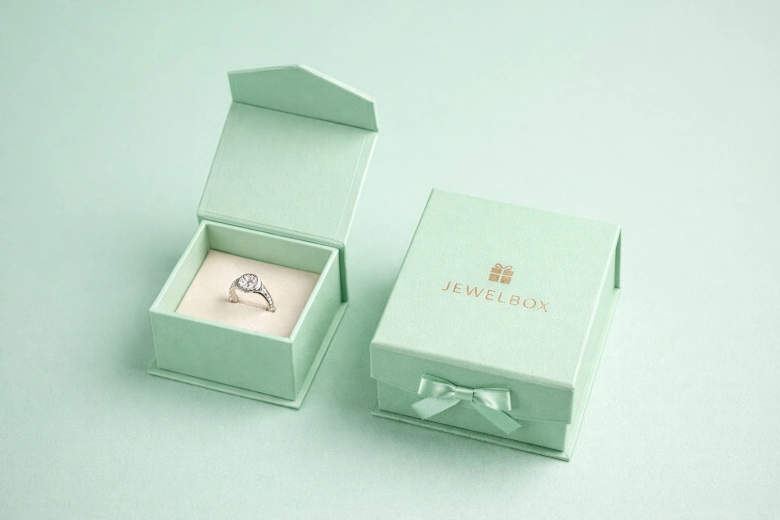
Different types of jewellery require different packaging solutions. The right packaging keeps the item secure while also presenting it attractively when the box is opened.
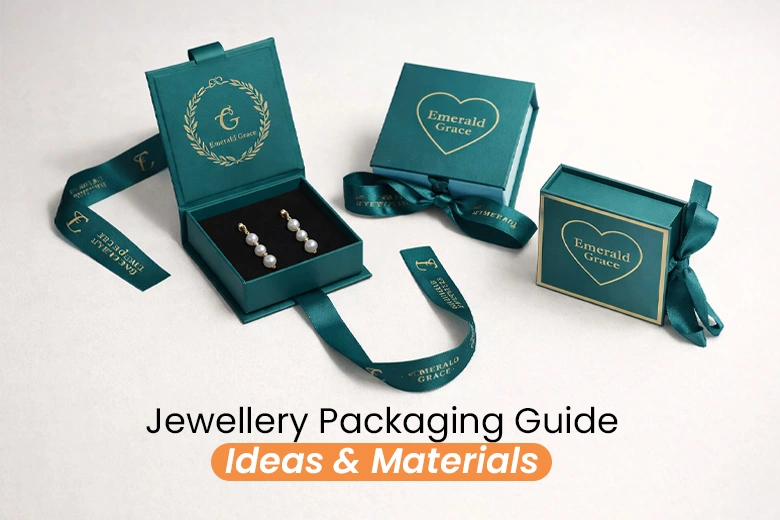
Rings are usually placed in small, rigid boxes with velvet or foam inserts. The insert contains a slot that holds the ring upright and prevents movement. This style of packaging is especially popular for engagement rings and luxury jewellery because it creates a dramatic reveal when the box is opened.
Necklaces require packaging that prevents chains from tangling. Many brands use necklace cards that hold the chain in place using small hooks or slits. These cards are then placed inside custom necklace boxes or protective sleeves. Fabric pouches combined with branded cards are another common solution for keeping necklaces organized.
Earrings are typically packaged using earring cards. These cards allow the earrings to be secured through small holes so they remain aligned and visible. For premium products, the card is placed inside a custom earring box or drawer-style packaging to create a polished presentation.
Bracelets and bangles usually need slightly larger packaging. Padded boxes or soft pouches provide enough space to protect the design while preventing pressure on delicate elements.
Choosing the right packaging for each jewellery type ensures that the product arrives safely and looks appealing when customers open it.
Step by Step Guide to Creating jewellery Packaging
Designing jewellery packaging can seem overwhelming at first, especially for small brands. However, the process becomes much easier when broken down into clear steps.
Define Your Brand
Before choosing materials or box styles, it is important to understand what your brand represents. A luxury jewellery brand might use rigid boxes with velvet interiors, while a handmade jewellery seller may prefer simple kraft boxes or cotton pouches.
Right Packaging Structure
Different jewellery pieces require different packaging formats. Rings need compact boxes with secure inserts, while necklaces and bracelets may require larger boxes or drawer style packaging.
Selection of Materials
Jewellery packaging often uses rigid cardboard, linen textured paper, velvet lining, or recycled kraft paper. The material choice influences both the appearance and durability of the packaging.
Protective Inserts
Inserts keep the jewellery in place and prevent damage during transportation. Foam inserts, velvet cushions, and molded holders are commonly used to provide both protection and presentation.
Branding Elements
This includes logo placement, embossing, foil stamping, or printed patterns. Consistent branding across packaging helps customers recognize the brand easily.
Share Your Brand Story
Many jewellery brands include thank you cards, jewellery care instructions, or small brand story inserts inside the package. These details help create a personal connection with customers.
Test Your Unboxing Experience
The packaging should open smoothly and display the jewellery beautifully. Viewing the packaging from a customer’s perspective helps you provide your customer the experience that feels exciting and memorable.
5 Trendy Jewellery Packaging Ideas for 2026
Jewellery packaging trends continue to evolve as brands look for creative ways to stand out. Several packaging ideas are gaining popularity in 2026.
Eco friendly packaging remains one of the strongest trends. Many brands now use recycled paper boxes, biodegradable materials, and organic cotton pouches to reduce environmental impact.
Reusable packaging is also becoming common. Instead of disposable boxes, brands design packaging that customers can reuse as jewellery storage. Decorative keepsake boxes and travel cases are good examples.
Vintage inspired packaging is making a comeback as well. Velvet pouches, textured fabrics, and classic jewellery box designs create a timeless and elegant appearance.
Minimalist packaging continues to attract modern jewellery brands. Clean designs, neutral colors, and subtle logo printing allow the quality of the materials to speak for itself.
Technology driven packaging is another emerging trend. Some brands add QR codes inside packaging that link customers to product information, authenticity certificates, or brand stories.
Affordable Jewellery Packaging Ideas for Small Brands
Small jewellery businesses often need to manage packaging costs carefully. Fortunately, attractive packaging does not always require a large budget.
Kraft paper boxes are one of the most affordable packaging options available. They are durable, recyclable, and widely used by handmade jewellery brands. When combined with a custom stamp or printed label, they can still look professional.
Fabric pouches are another practical solution. Cotton or linen pouches protect jewellery while giving the packaging a soft and elegant feel. Many small brands print their logo directly on the pouch to create simple but effective branding.
Jewellery cards are also commonly used by handmade sellers. Earrings and necklaces can be attached to branded cards and placed inside envelopes or small boxes. This method keeps packaging costs low while maintaining a clean presentation.
Small details can also improve the packaging experience. Adding thank you notes, branded stickers, or jewellery care instructions can make even simple packaging feel thoughtful and memorable.
For small brands selling through online platforms, packaging that reflects brand personality is often more important than expensive materials.
Famous Jewellery Brands That Use Packaging as a Branding Strategy
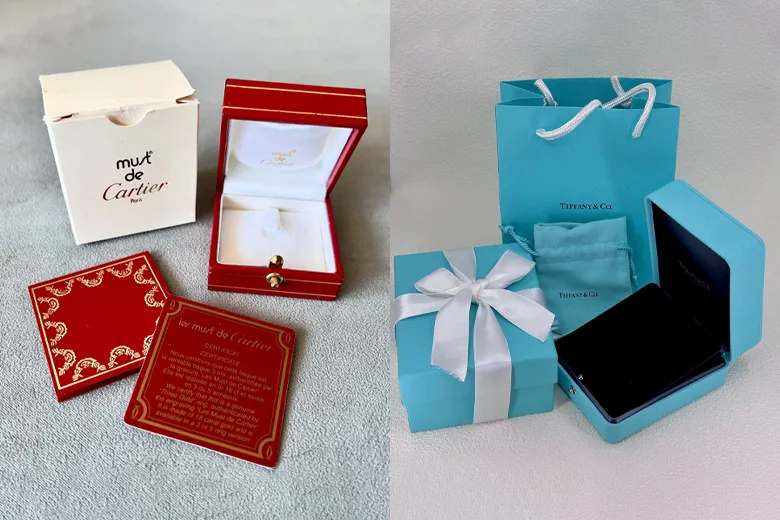
Some jewellery brands have turned packaging into a powerful part of their brand identity.
Tiffany & Co. is one of the most recognizable examples. Its iconic blue jewellery box has become a symbol of excitement and luxury around the world.
Cartier is another brand famous for its packaging. The signature red box with gold detailing immediately communicates elegance and prestige.
Luxury brand Hermès also pays careful attention to packaging design while maintaining high-quality materials and sustainable sourcing practices.
Modern jewellery brand Mejuri takes a more contemporary approach. Its minimalist black and white jewellery boxes with black drawstring pouches reflect the brand’s modern aesthetic and appeal to younger customers.
These examples show how thoughtful packaging can become an important part of brand recognition.
Common Jewellery Packaging Mistakes to Avoid
Even well designed jewellery packaging can fail if certain mistakes are overlooked.
Using overly bulky packaging is a common issue. Large boxes increase shipping costs and create unnecessary material waste.
Weak packaging materials can also cause problems. If the packaging is too thin, jewellery can become damaged during transportation.
Another mistake is using generic packaging without branding. Plain boxes make it difficult for customers to remember the brand after the purchase.
Overcomplicated packaging can also frustrate buyers. Too many layers or difficult opening mechanisms can reduce the overall experience. Simple and elegant designs usually create the best results.
Conclusion
Jewellery packaging has evolved far beyond its original purpose of protecting products. For modern jewellery brands and handmade sellers, it plays a key role in shaping customer perception and strengthening brand identity.
In 2026, successful packaging must combine functionality, aesthetics, and sustainability. It should protect delicate jewellery, communicate the brand story, and create an enjoyable unboxing experience.
For jewellery businesses looking to stand out in a competitive market, investing in well designed packaging is not just a visual choice. It is a strategic decision that supports branding, customer experience, and long term growth.